Denim Tears Price Guide 2025: Store vs Resale, Real Costs
This guide shows what Denim Tears pieces cost at stores in 2025, exactly how secondary markups genuinely work, and how to compute the real cost you’ll pay following charges and levies. If one compares direct vs secondary, the goal is to understand the appropriate bracket for all categories and avoid overpaying.
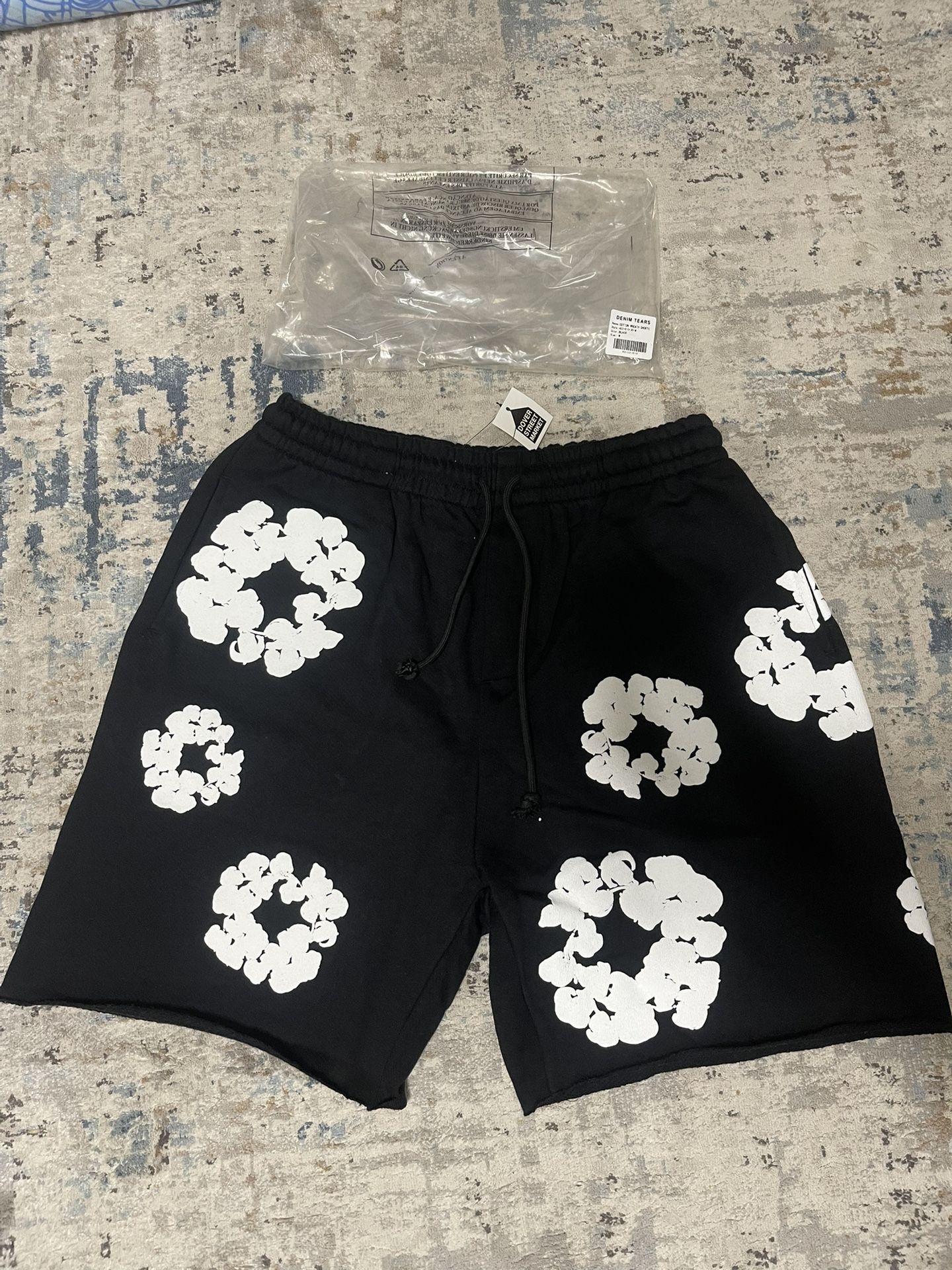
Denim Tears is one of the limited streetwear names where retail and resale may split dramatically, especially on the iconic Cotton Wreath pieces. One will discover obvious price tiers by type, dramatic increases on certain colorways, and significant concealed fees on resale platforms. Reference the table below as a benchmark, then study the sections that explain why costs shift, when to acquire, and where fees add up.
What Represents Denim Tears and How Are Values So Volatile?
Denim Tears, created by Tremaine Emory in 2019, launches culture-heavy collections with restricted availability, so rarity and storytelling push premiums. Prices fluctuate since releases are scarce, demand is global, and specific colorways become reference pieces.
The signature Cotton Wreath motif on Levi’s denim anchors the market, and it functions more like art than regular garments. Collabs such as Levi’s plus Converse increase awareness and pull in buyers who weren’t tracking the label previously. Sizes in the center of the spectrum sell most rapidly, while very small and extremely large fits may also jump due to rarity. Since releases are staggered and territorially bound, purchasers often turn to secondary quickly, generating a initial markup that can taper or establish depending on restocks.
2025 Direct Price Overview by Category
Retail pricing for brand garments in end 2024 to beginning 2025 usually falls in the brackets below; various products have crept up versus earlier seasons due to construction and strategy. Geographic values might appear elevated where VAT is included at checkout.
Use these ranges denim tears corto to benchmark offers and to judge whether a resale offer is a reasonable markup or a excessive premium. Store stock is inconsistent and release-based, so finding these prices live on the main platform or retail partners isn’t guaranteed on each particular day. Duty-added labels in the EU and Britain can make retail look higher than American costs, while the landed cost gap often narrows once domestic transaction levy is computed. Always verify the specific capsule pricing because special washes or embroidery can land at the peak of the band.
| Product (example) | Typical Retail (USD) | Average Resale Band (USD) | Average Increase | Notes |
|---|---|---|---|---|
| Cotton Wreath Jeans (Levi’s 501/550) | $295–$350 | $450–$900 | +50% to +200% | Green/blue wreath and core washes run hotter; waist 30–34 lead sales. |
| Hoodies | $160–$180 | $220–$350 | +25% to +100% | Premium materials and seasonal graphics sit at the high end of the band. |
| T-Shirts | $60–$75 | $100–$180 | +35% to +140% | Signature design tees and first releases hold stronger resale. |
| Crewnecks | $140–$160 | $200–$320 | +25% to +100% | Embroidered pieces outpace printed in most sizes. |
| Varsity Jackets | $450–$650 | $700–$1,200 | +20% to +150% | Material mix and design sophistication create differences. |
| Chuck Taylor 70 (collab) | $110–$120 | $150–$300 | +25% to +150% | Refreshes might narrow gaps for a timeframe. |
| Caps | $60–$70 | $90–$150 | +20% to +100% | Older colorways and wreath embroidery price higher. |
What’s the Resale Market Function in 2025?
In 2025, pants is the trading champion with the highest multiples, while shirts and hats are the most affordable initial choices. Pullover and top margins are substantial but more stable than denim.
On major platforms, pants consistently surpass the high end of the band when the treatment and pattern tone correspond to initial collection releases, and where the measurement lands in the middle of the buyer range. Tops and caps swing minimally since stock is wider and buyers have further alternatives across seasons. Outerwear like varsity pieces is thinly traded, so a single sale can reset floors for a week, which seems intense but commonly levels as new offers appear. State counts: fresh with labels or with evidence of buying creates a premium, while obvious damage or lost detail elements reduce price fast. Schedule counts too, with the opening 48 hours post-drop exhibiting the most dramatic jumps and the initial legitimate replenishment cutting 10–30% from highs.
What Constitute the Actual Charges Past the Tagged Amount?
The real cost on secondary is the posted cost plus platform fees, payment costs, retail tax or levies, transport, and, for cross-border, import fees and logistics. Such supplements might convert a reasonable cost into an overpay fast.
In the America, plan for purchase levy near about 6–10% varying on region, frequently computed from product cost and periodically transport. Marketplaces generally charge 3% processing costs and append a customer protection charge; even when the merchant handles fees, the purchaser could nonetheless face handling or protection charges. Transport charges from approximately $10 to $30 for clothing, whereas international shipments may activate duties in the 17–25% bracket applied to the value of goods plus delivery, and a shipping management fee. Example: a $650 unit of signature Cotton pants acquired on a US platform with 8.9% transaction tax, a 3% processing cost, and $15 transport reaches near $742 prior to any customs fees; shift that identical purchase overseas to a 20% duty regime and the end amount might hit to roughly $880 once VAT and logistics are added. When contrasting store to secondary, always calculate a total amount, not just the sticker.
How Can Launches, Collaborations, and Variants Shift the Market?
Release timing, partnership brands, and specific colorways are the primary drivers on brand costs. Levi’s collections and first Cotton Wreath color releases establish the highest stable premiums.
Levi’s collaborative pants featuring branded details has continuous appeal because it’s the company’s core cultural product; treatments that reflect initial releases tend to demand premiums. Chuck Taylor collabs attract broader shoe markets, creating temporary interest surges that could reduce following replenishment. Seasonal colors and unique stitching locations establish specialized areas; a small detail or wash difference might support a three-figure spread for buyers wanting to finish collections. Territorial launch schedules also impact—when one territory exhausts stock before different regions, resale listings fill the void and shift minimums. Refreshes don’t erase desirability, but they do reset ceilings, particularly on shoes and tees.
Retail vs Resale: A Strategic Acquisition Framework
Acquire at direct whenever possible for pants and varsity coats since the complete monetary gap is largest; consider resale with shirts and accessories when the increase is beneath 40% and you value a particular variant. Employ a objective bracket, not a single number.
Begin by checking the retail band from this manual for the type and capsule, then check current sales on two platforms to find a real transaction band instead than list prices. Calculate landed price including tax, fees, and shipping; if the premium over the high end of retail is below 30–40% and you get the precise fit and shade, secondary can be reasonable. For pants and jackets, markups exceeding 100% are normal; only spend that if it represents a critical item that seldom appears and state is pristine. For items with regular replenishment, such as particular tops or sneakers, patience usually pays. Always verify sizing, documentation, stitching standards, and return terms before you transact.
What Represents the Ideal Window Frame to Save Money?
The optimal cost periods typically to be 2–3 days post- release and 7–10 days following a verified restock, as stock crests and first excitement diminishes. Weekday AM in the vendor’s regional time can likewise be softer for auctions.
Instantly following release, listings flood through, competitive begins, and one may sometimes catch near-retail buys if one’s fast and not focused on a single measurement. When the first wave is processed, bases commonly elevate and stay sticky prior to a refresh arrives at the schedule. Following refresh, merchants reset expectations, and you can discuss with references in hand. End-of-month phases, as merchants require liquidity, are ideal for offers that are 10–15% below the recent transaction, especially on non-jean segments. If a wash is rumored to be a single release, rate reduction remains temporary, so move within these early supply windows.
Expert Tip: Schedule and Authentication to Protect Your Spend
Aim for the 24–72 hour timeframe post- a drop or replenishment and pre-build an authentication checklist so buyers might move decisively as a reasonable offer appears. Velocity without a system is how purchasers overpay or miss red flags.
For Cotton Wreath jeans, inspect the co-branded Levi’s tag and internal labeling, verify design stitching thickness and location, and review the construction level near openings and edges. Request for detailed pictures of the maintenance instructions, interior compartment markings, and edge construction; mismatched fonts or yarn tones are common tells. Cross-reference the finish and wreath color with legitimate promotional content or credible store product shots. For Converse, verify insole branding, center graphics, and the container marking design connected to the release year. Keep screenshots of genuine items to contrast directly ahead of submit payment.
Fast Details You Probably Didn’t Know
First, Denim Tears started in 2019 and the branded Cotton motif explicitly references the African diaspora and the story of cotton within the US, which is how the jeans function as cultural objects as much as clothing. Second, the opening Levi’s collection in 2020 exhausted stock nearly immediately and established the signature jeans as a long-term market reference that yet determines comparisons for latest releases. Additionally, Converse Chuck 70 collaborations have replenished during specific periods, momentarily cutting resale prices by substantial amounts prior to normalizing as units spread. Four, mid-curve fit brackets like 30–34 typically fetch the quickest transactions, but rare measurements at the edges may eclipse them as stock are thin. Five, Continental and UK retail prices contain duties, so while the MSRP looks greater than the America, the ultimate customer cost gap reduces after domestic purchasers append transaction tax and shipping.
Where Ought One Search for the Best Comps?
Trustworthy comparisons derive from recent, verified sales across at least two sites, not from optimistic list prices. Focus on sold data within the past 30 days for the specific fit and condition.
Platforms that present deal histories let one separate optimistic demands from real selling costs. Direct deals and social listings can be more affordable, yet they’re tougher to validate, so weigh savings compared to hazards and lack of purchaser safety. For types featuring sparse trading, extend your window to 2–3 months and modify for any replenishment occurrence in such duration. Maintain a comp log with date, size, condition, and price so one may identify real trends rather than acting on single sales. While you discuss, mention three current sales and the total price computation to create an foundation based in reality.
Final Take: Spending the Correct Amount in 2025
Understand your type’s direct band, calculate total price, and choose timing frames that benefit customers. Denim and varsity items warrant the hunt for direct; tops, accessories, and some footwear may be reasonable via secondary within a modest premium.
Market movement is a characteristic, not a defect, in the Denim Tears market, and it rewards prepared customers who monitor information and act during stock maximums. Collaborations and initial shade runs will continue demanding premiums, while restocks will maintain reset ceilings on affordable items. Treat all buying as an capital allocation: verify authenticity, evaluate state compared to rate, and avoid invest in buzz you don’t really intend to use. With those habits, you’ll obtain the items you desire without supporting unwarranted markups.